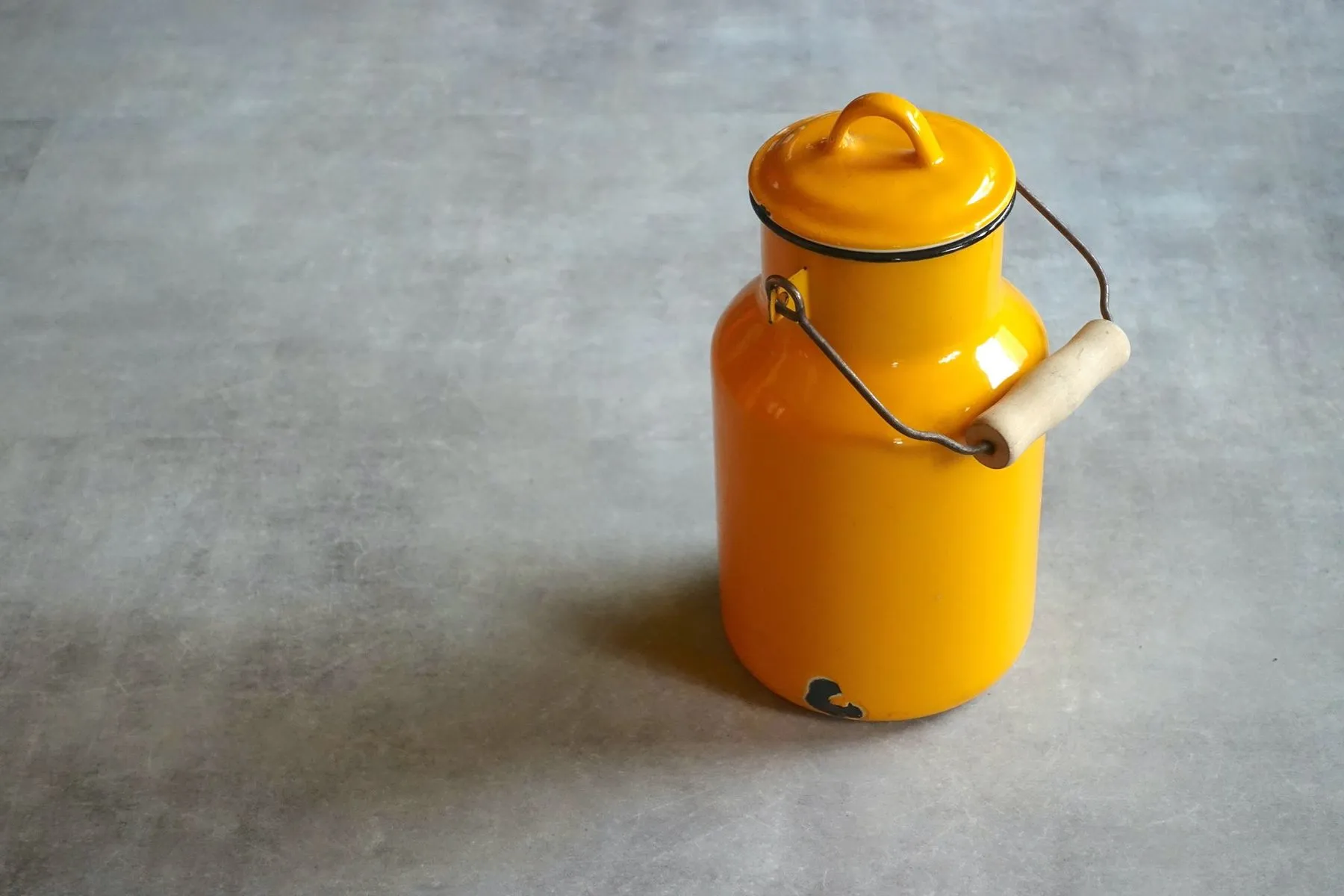
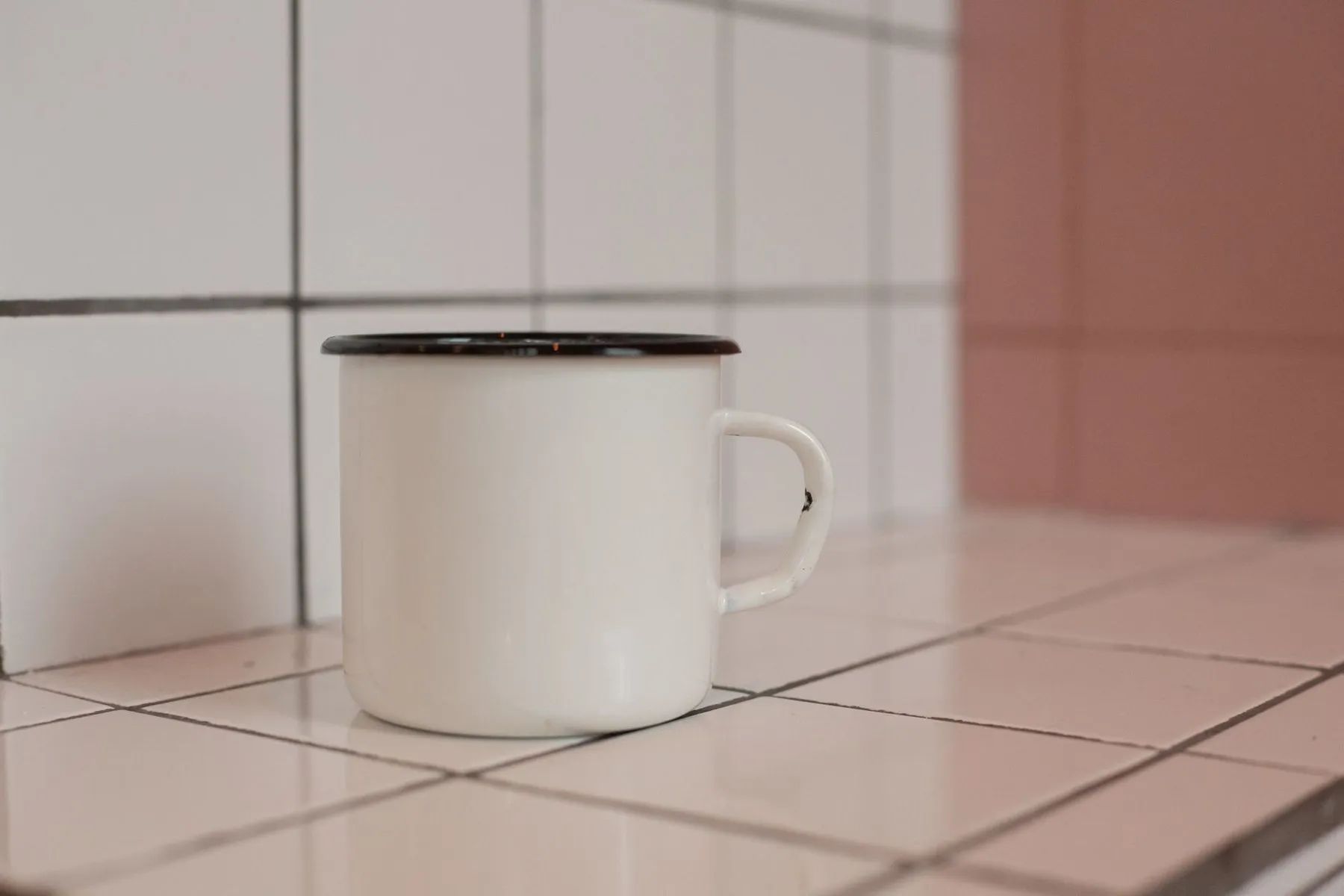
 Best seller
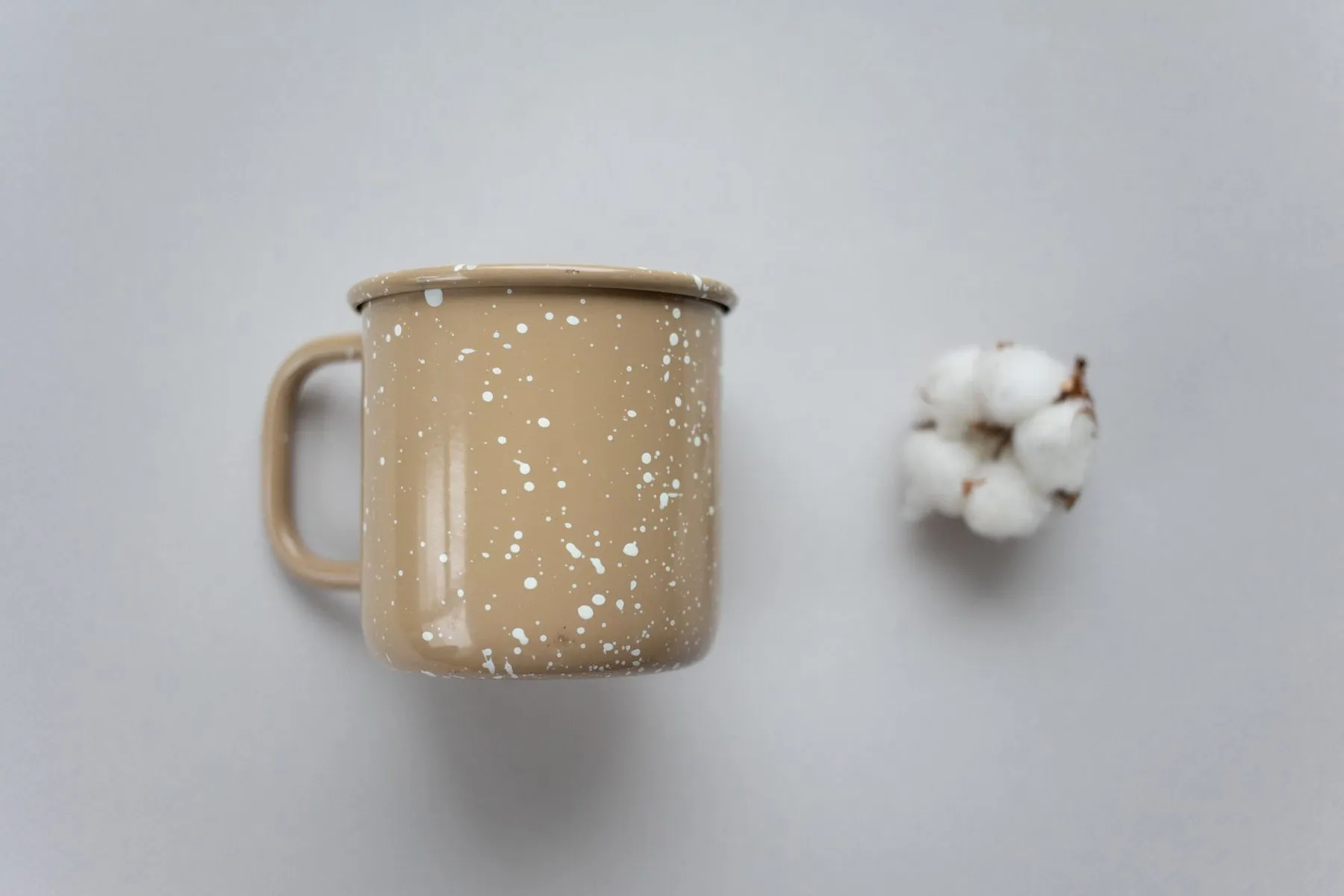
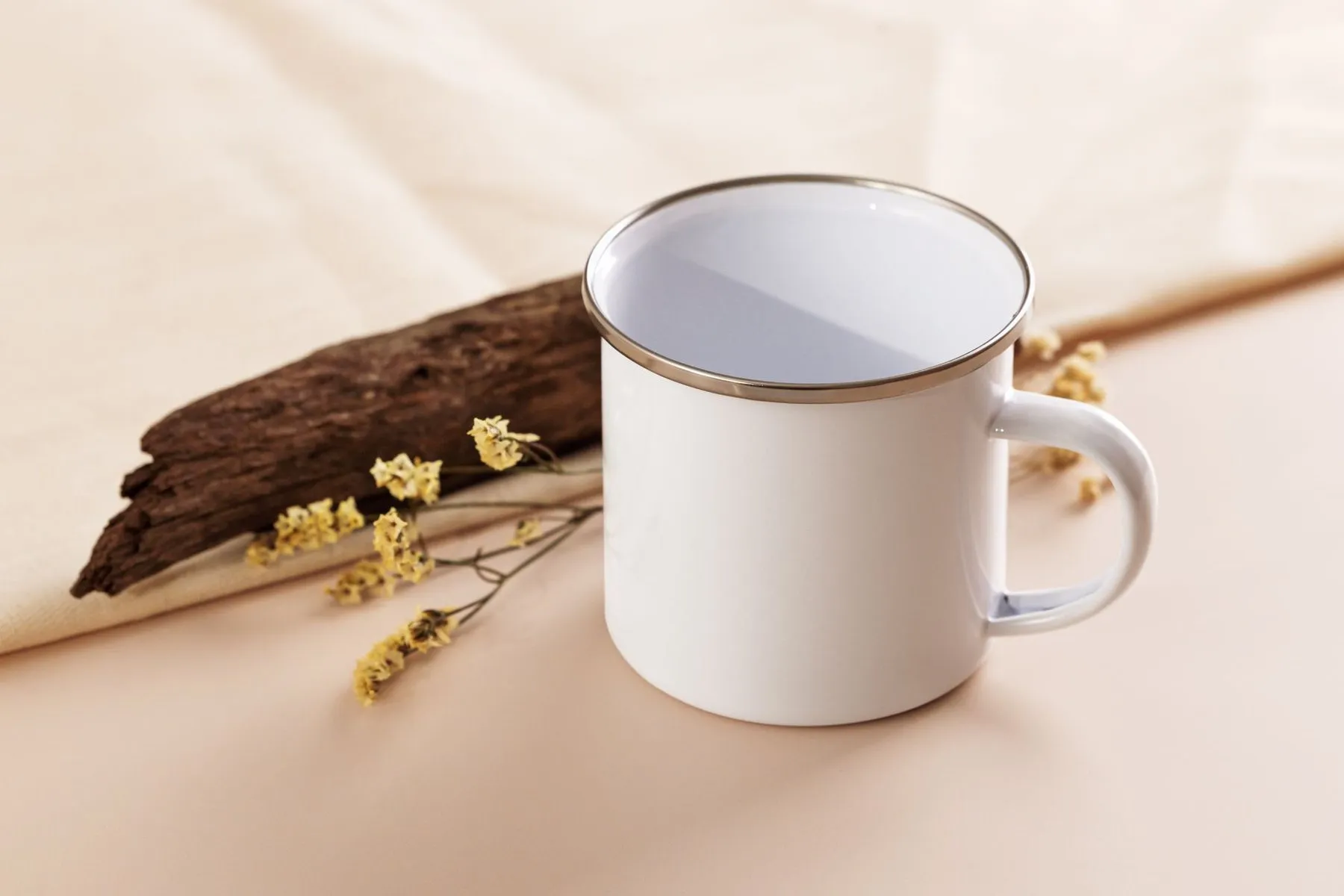
 Foundry Mug
From £14
Free UK delivery over £60 · 30-day returns · order by 1pm for same-day dispatch
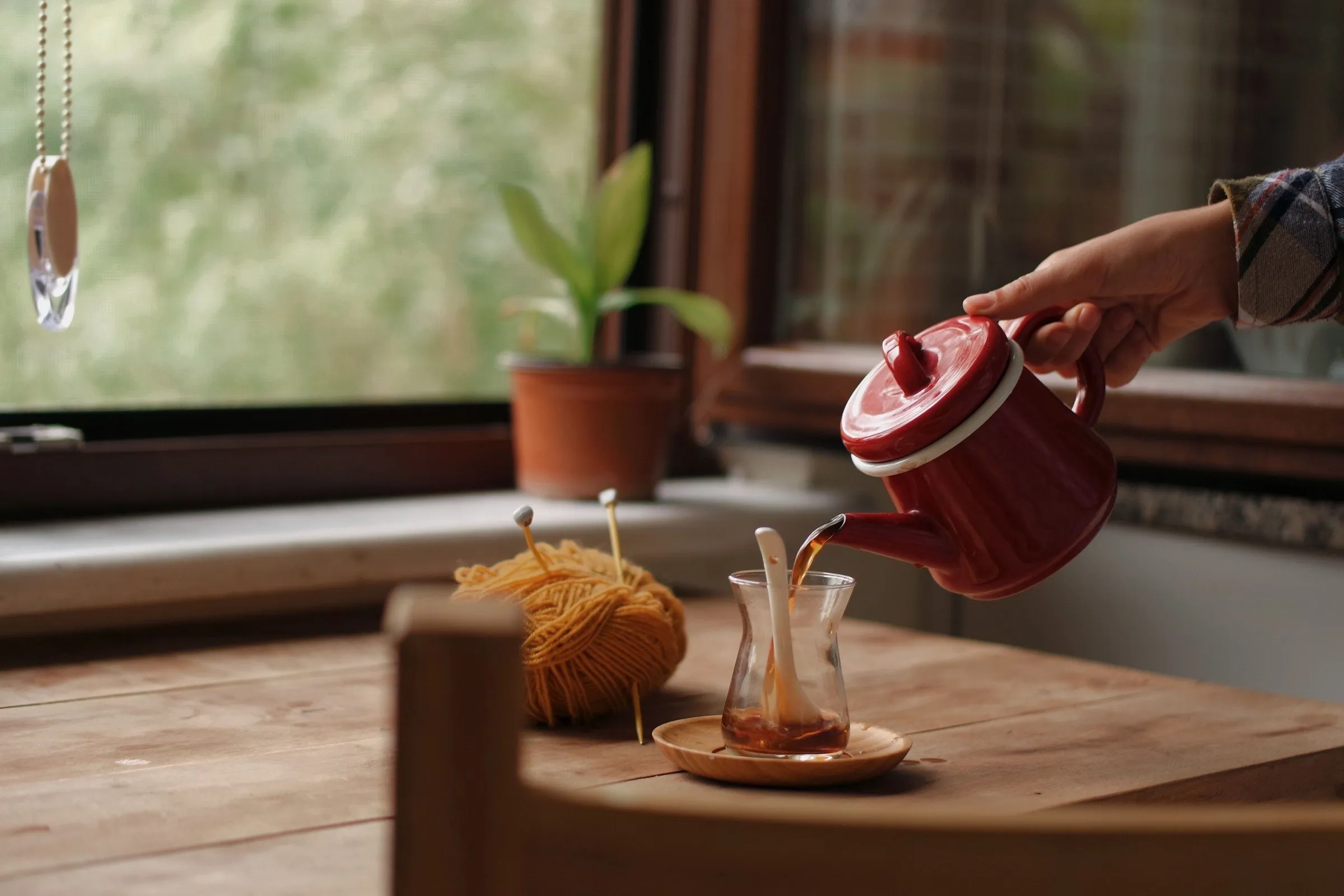
Mugs, stovetop kettles, pots and jugs, pressed and fired in our Stoke-on-Trent workshop and sent straight to your door.
4.8 out of 5 from 2,140 reviews · free UK delivery over £60
Shop by colour
Showing 8 of 11 pieces. Shop all
Hob, oven and dishwasher
Gas, electric and induction; ovens to 250 °C; any dishwasher cycle.
Half the weight of stoneware
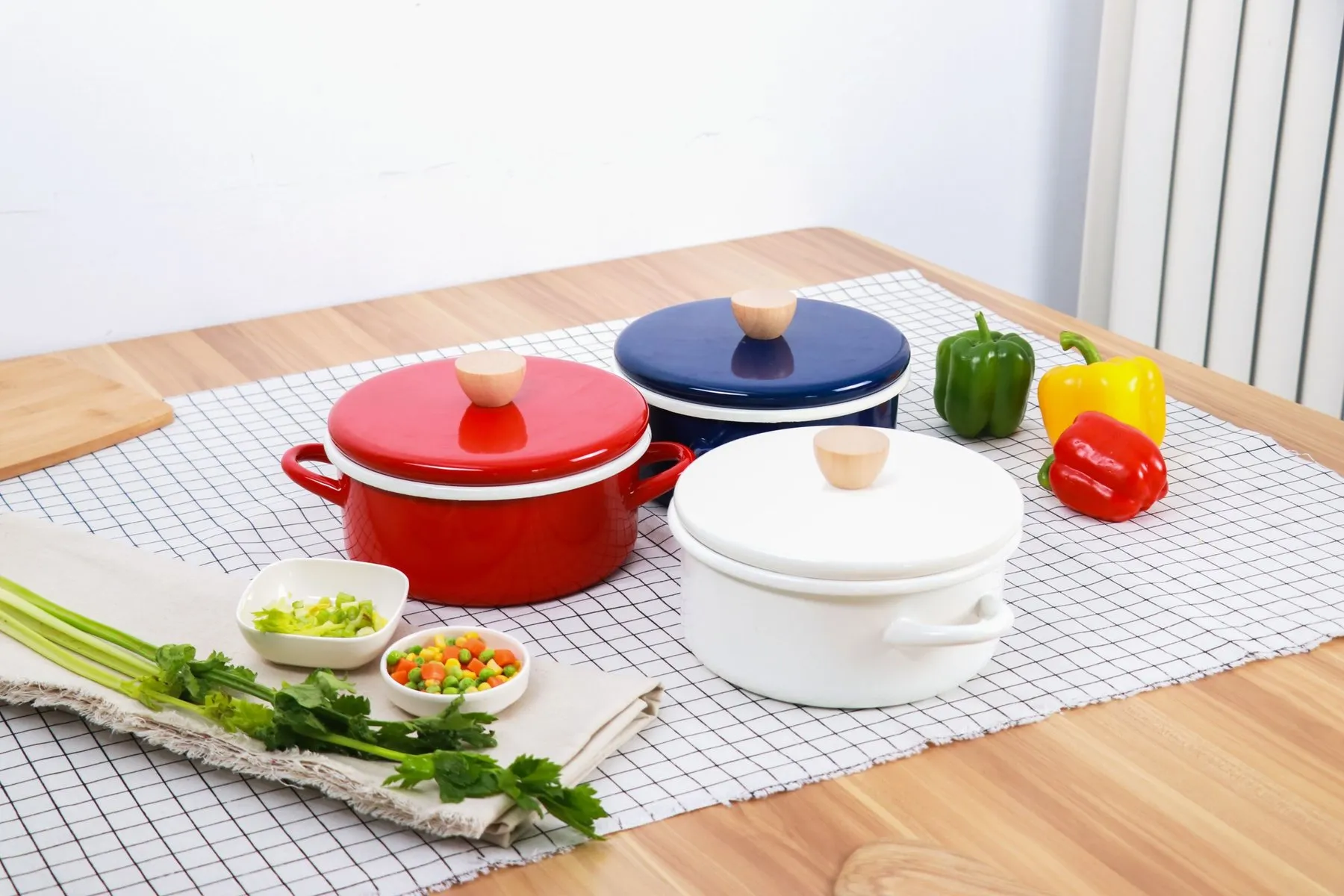
A Foundry Mug weighs 210 g. The Casserole Pot is a third of cast iron.
Colour that never fades
Glass fused to steel at 820 °C. It will not stain or hold a smell.
Seconds at half price
Pieces with a pinhole go on sale the first Saturday of every month.
The workshop
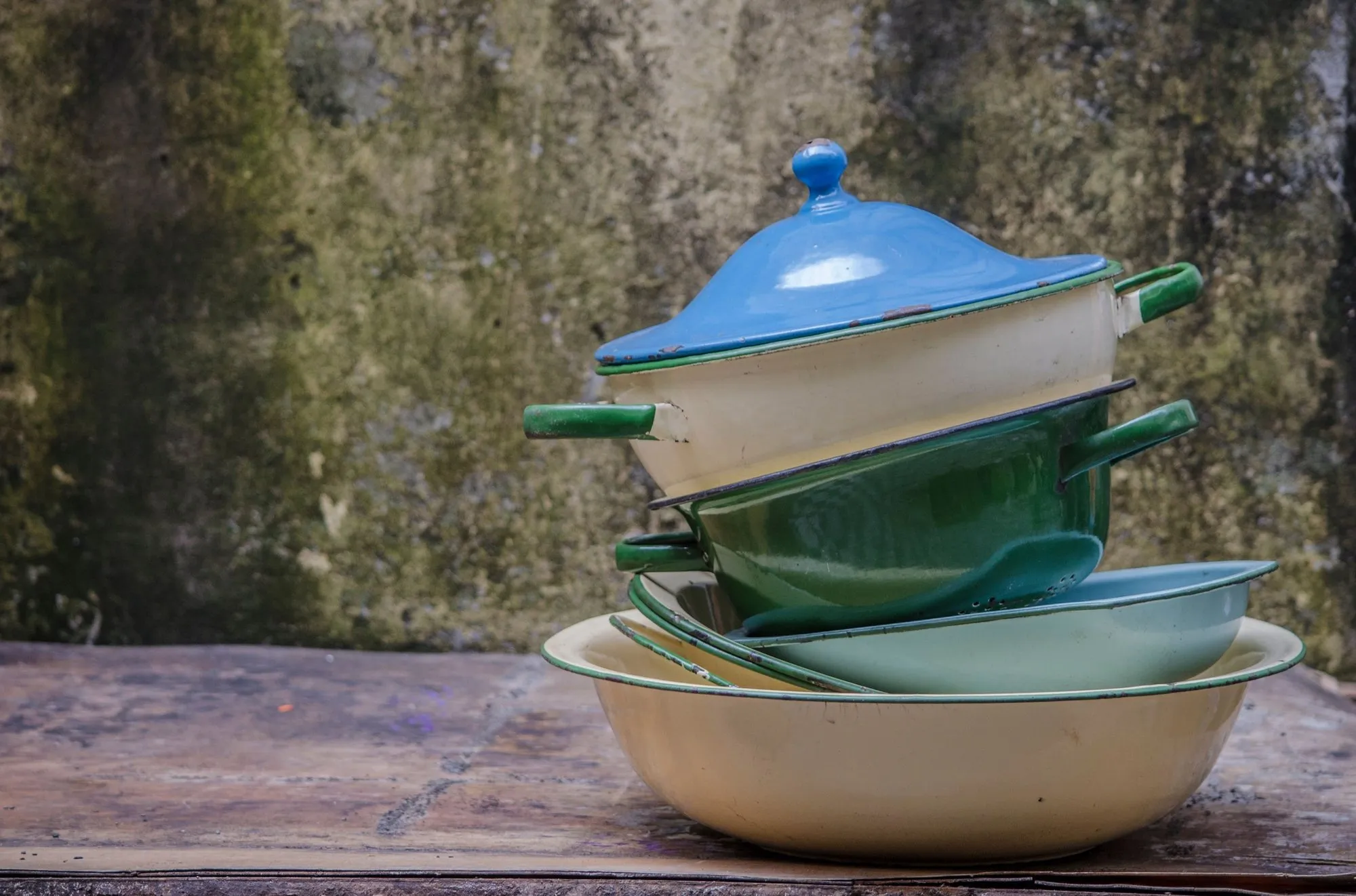
Kilnmarsh is nine people in a former pottery yard in Stoke-on-Trent. We press the steel, dip it by hand, fire it at 820 °C and pack it the same week. No middlemen, so the price is the workshop price.
Orders placed by 1pm on a working day leave the same afternoon.
You pick a colour
Ten fired colours, the same every year. The swatch on screen is photographed against the real glaze.
We pack it by 4pm
Orders by 1pm leave the same day, wrapped in paper wadding in a recycled box. No foam.
It arrives in 2–3 days
Tracked by Royal Mail or next day by courier. You get a text with a one-hour window.
You have 30 days
Not right? Send it back unused with the free label and we refund the lot, delivery included.
Enamel is glass fused onto steel. It goes on the hob and in the oven, it weighs half what a stoneware mug does, and it lasts for decades if you let it cool before it meets cold water.
| Feature | Enamelled steel | Stoneware / ceramic | Stainless steel |
|---|---|---|---|
| Weight of a mug | 210 g | 350–450 g | 180 g |
| On the hob | Yes, gas to induction | No | Yes |
| In the oven | Yes, to 250 °C | Yes | Yes |
| If you drop it | May chip, rarely breaks | Breaks | Dents |
| Holds a flavour | Never | Glazed: no | Sometimes a metal taste |
| Lifetime | Decades, ten-year guarantee | Until the first drop | Decades |
Every review is from a verified order. We publish the four-star ones too.
Three winters on the range
“It has sat on our range for three winters and still looks new. The beech handle stays cool, and the whistle reaches the top of the house.”
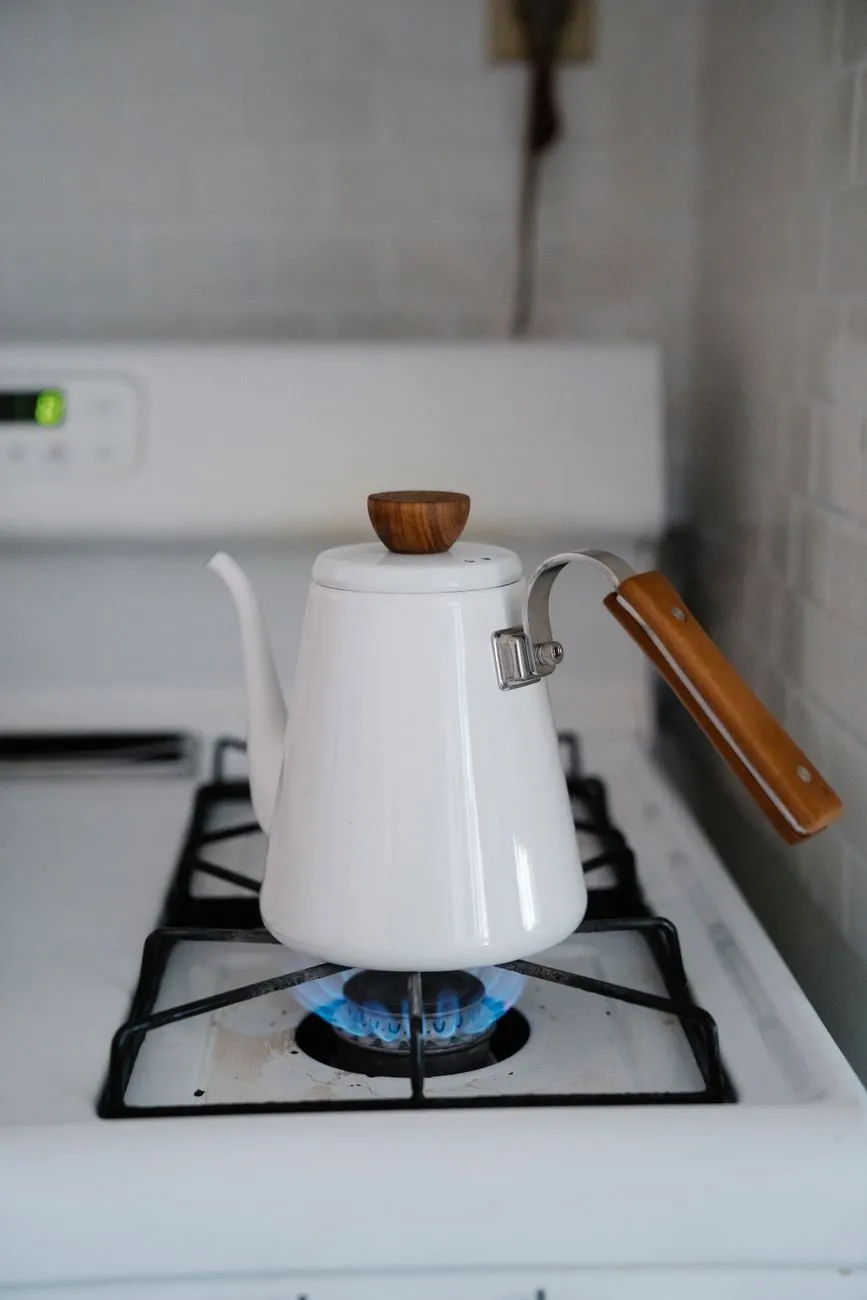
 Stove Kettle
 Survived a week in a canoe
“Bought the set of four for a river trip. Dropped on rocks, packed wet, used for porridge and wine. One small chip on the base, and they still get used every day.”
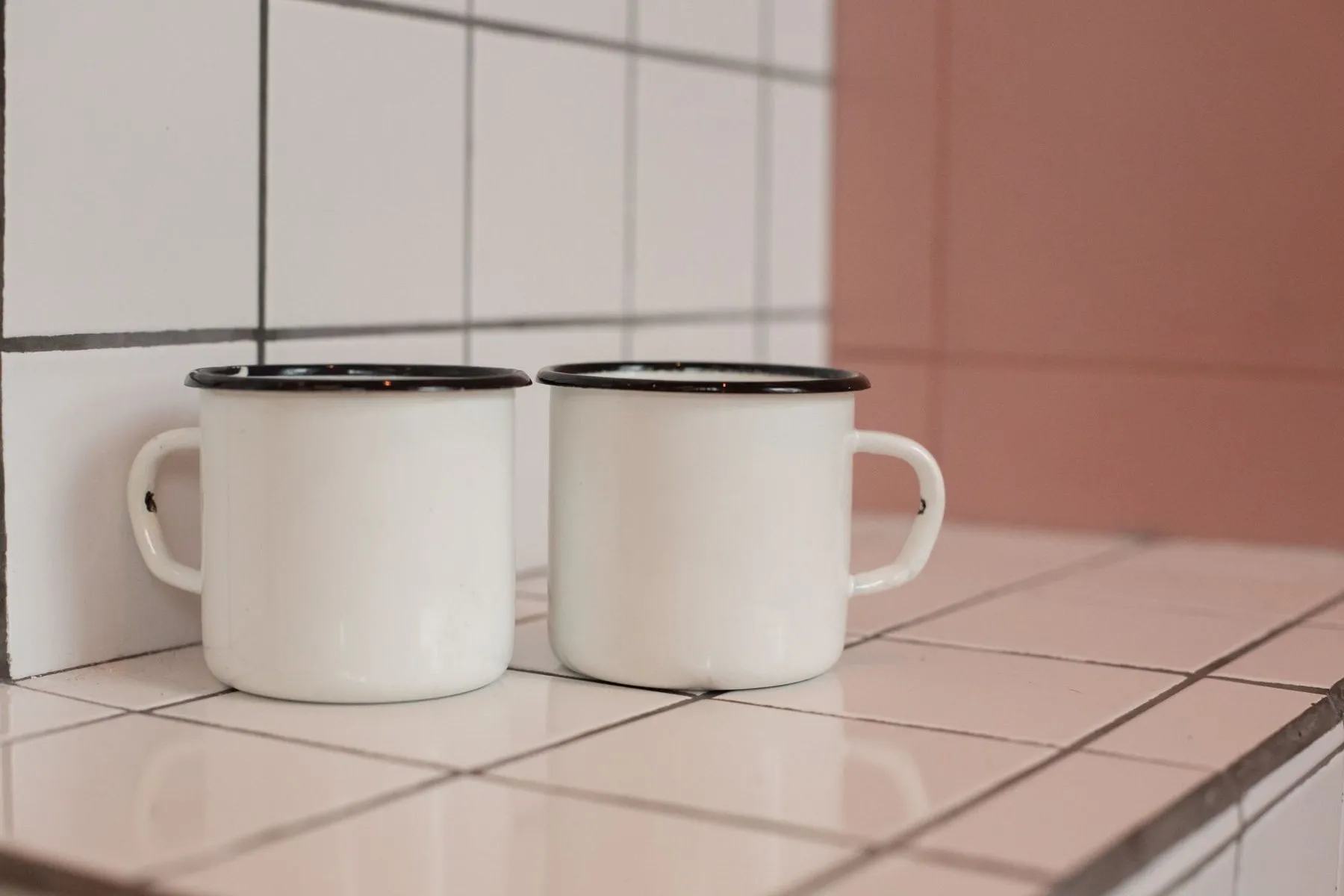
 Camp Mugs, pair
 Light enough to lift with one hand
“I gave up on cast iron because of my wrists. The 24 cm pot does a stew for six and I can carry it to the table without a second thought.”
 Casserole Pot
 Exactly the Cobalt on screen
“The colour matches the website, which I did not expect. Only four stars because the 0.4 litre sold out in Sage and I had to wait nine days.”
 Foundry Mug
 It really does not dribble
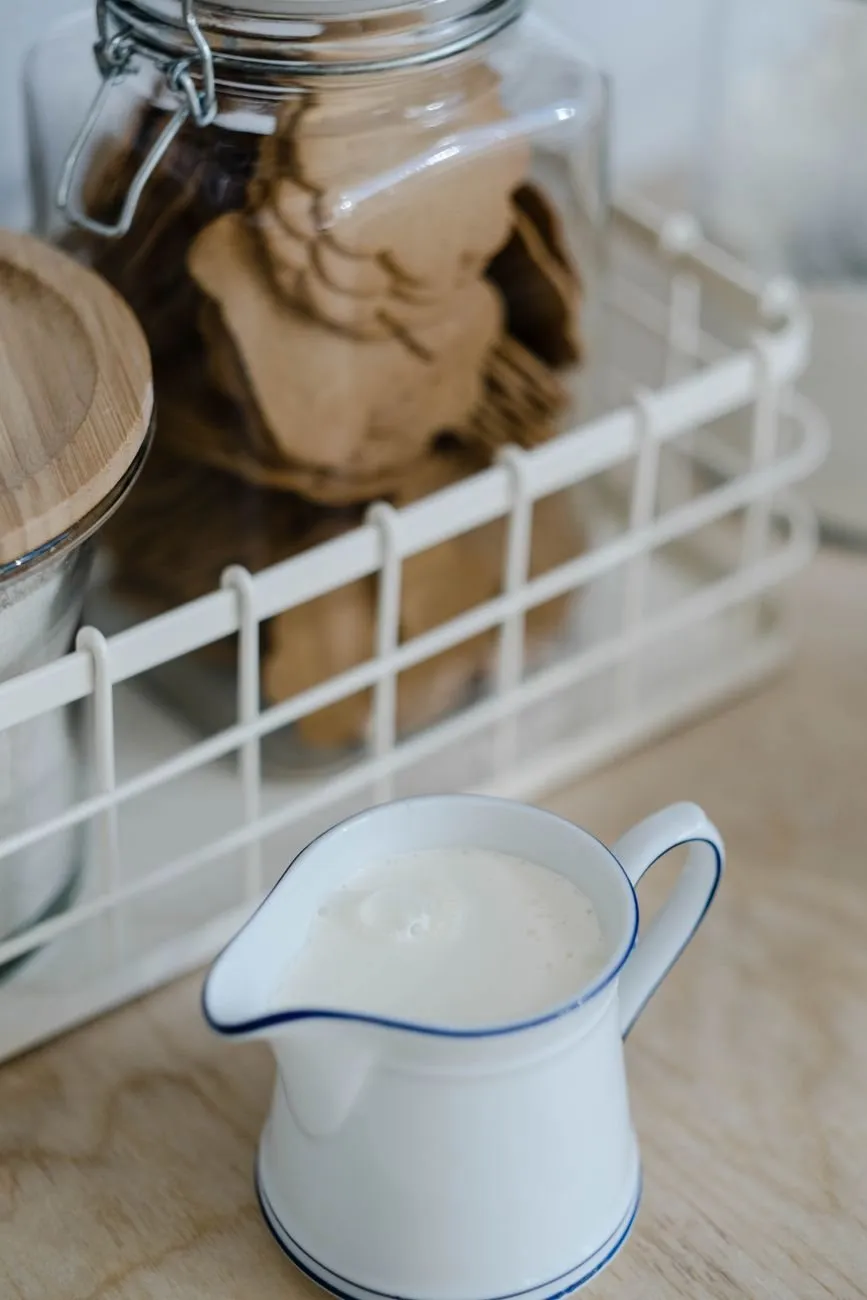
“Every jug we have owned dribbles down the side. This one does not. It holds flowers most of the week and milk on Sundays.”
 Table Jug
 Mine has a fleck like a comet
“Ordered two in Liquorice and the speckle is different on each, which is the point. Packed in paper with a handwritten note.”
 Speckle Mug
  Recipe
 Serves 2 · 12 minutes
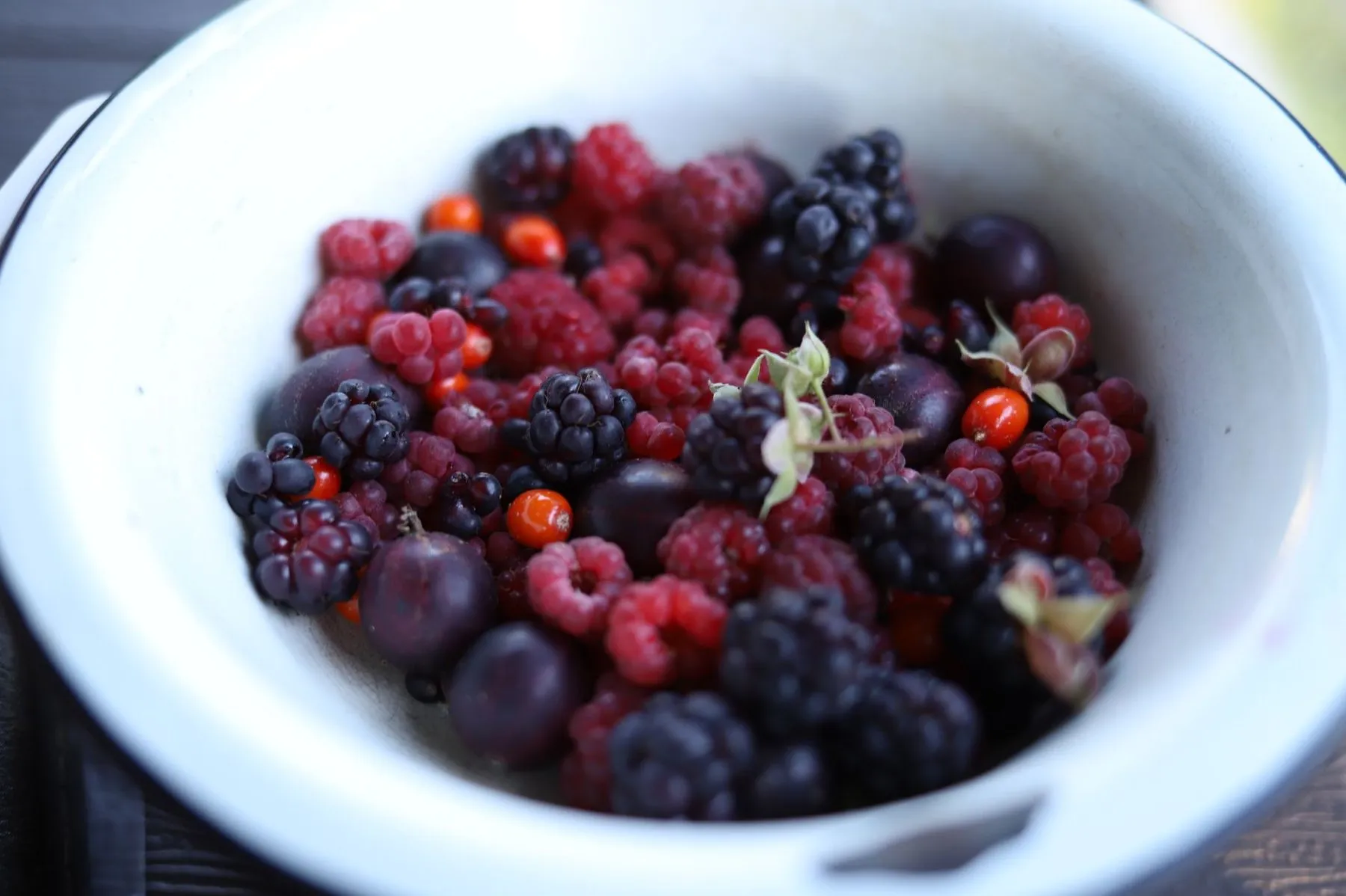
Oats, milk, salt and ten minutes in the 16 cm casserole. The pot goes straight to the table and nobody washes a saucepan.
 Recipe
 Serves 4 · 10 minutes
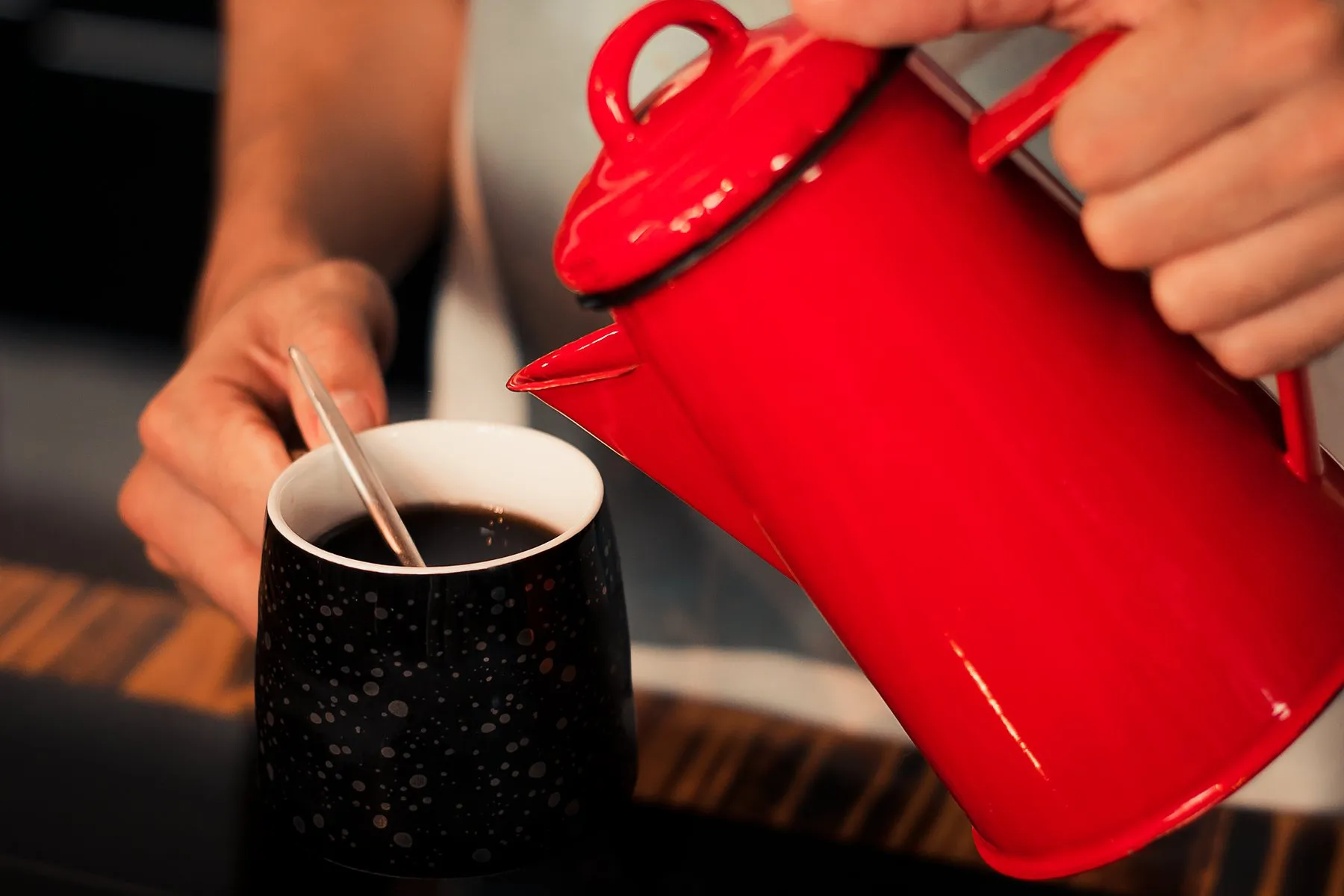
No filter, no press, no plunger. Coarse coffee, a pot of water and a splash of cold to settle the grounds.
 Care
Care 4 minute read
Enamel is glass fired onto steel, so most of the care is about respecting the glass and the steel underneath it.
Ten fired chips on a card, sent first class to any UK address. Hold them up to your kitchen before you order.